
The 3 Golden Pillars & Guiding Tenets
Selfless Healing & Seva (Bala Pir)
Fearlessly nursed plague victims in Delhi, absorbing their suffering onto his own mortal frame.
Divine Wisdom Beyond Age
Enlightened the mute water-carrier Chhajju Ram at Panjokhara to expound the deepest Gita slokas.
Baba Bakale & Ardas Sanctity
Pointed to Guru Tegh Bahadur Ji at Bakala; enshrined in daily Sikh Ardas as dispeller of all sorrows.
Complete Historical Chronicle
1. Sacred Birth & Early Life
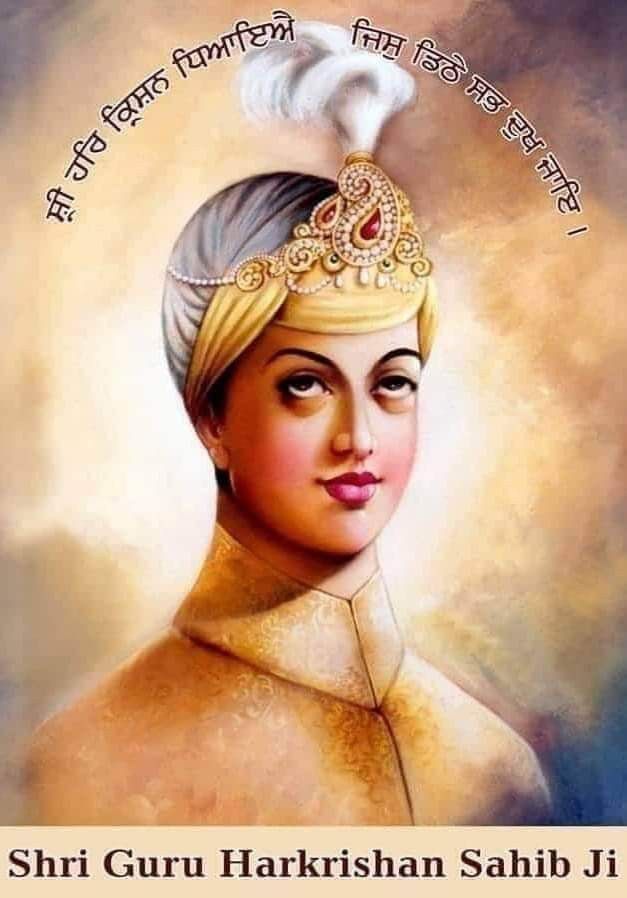
Sri Guru Har Krishan Sahib Ji, the eighth Sikh Guru (Nanak VIII), was born on Wednesday, 23 July 1656 (Sawan Vadi 10, Samvat 1713) at Kiratpur Sahib to the Seventh Guru, Sri Guru Har Rai Ji, and Mata Kishan Kaur Ji (Mata Sulakhni Ji). He succeeded his father and ascended the divine throne of Guruship on Sunday, 20 October 1661 at the tender age of five years, after his elder brother Ram Rai was disinherited for distorting Gurbani before Mughal Emperor Aurangzeb.
2. Spiritual Inquiries & Rejecting Dogma
Though young in physical years, Guru Har Krishan Sahib radiated boundless divine wisdom and spiritual maturity. Disciples arriving from distant lands were deeply inspired by his commentaries on the sacred verses of the Holy Granth. He constantly taught the Sangat to cherish the One Supreme God alone, abandon vanity and anger, and practice selfless humility, patience, charity, and universal love. Bhai Santokh Singh wrote of him: "The early morning sun looks small in size, but its light illuminates the entire world — so was Guru Har Krishan's boundless spiritual glory."
3. Householder Life & Divine Awakening
On his journey to Delhi upon the invitation of Mirza Raja Jai Singh, Guru Ji camped near Panjokhara (near Ambala). A local high-caste Brahmin named Pandit Lal Chand, proud of his Sanskrit learning, mocked the five-year-old Guru: "You bear the name of Lord Krishna and sit on Guru Nanak's throne — do you understand the ancient Sanskrit scriptures like the Bhagavad Gita?" Guru Har Krishan Ji smiled gently and replied: "If I interpret the Gita, you will claim I was tutored by scholars. Go bring the most illiterate and simple-minded man from this village, and he shall answer all your questions." Pandit Lal Chand brought a deaf, mute, and uneducated water-carrier named Chhajju Ram. Guru Ji cast a glance of divine grace (*Shubh Drishti*) upon Chhajju Ram and placed his holy cane (*chhadee*) on the man's head. Instantly illuminated with divine knowledge, Chhajju Ram spoke fluently and delivered the most sublime, philosophical exposition of the Gita's most difficult verses. Overwhelmed with awe and humility, Pandit Lal Chand fell at Guru Ji's lotus feet, became a devout disciple, later took Pahul as Bhai Lal Singh, and fought as a martyr at the Battle of Chamkaur Sahib in 1705.
4. Sacred Journeys & Epochal Missions
In 1663–1664, a catastrophic epidemic of smallpox and cholera ravaged the city of Delhi, claiming thousands of lives. While wealthy aristocrats fled the capital, the seven-year-old Guru fearlessly walked through the narrow lanes of Delhi, personally tending to, comforting, feeding, and treating the infected victims without distinction of caste, religion, or creed. Guru Ji sanctified the fresh water of the well at Raja Jai Singh's haveli, distributing the Amrit water to the afflicted. Thousands who drank and washed in the blessed water were miraculously healed of disease. The local Muslim population, deeply moved by his boundless mercy and divine healing, venerated him as "Bala Pir" (The Child Prophet), while Hindu devotees hailed him as "Balmukand".
5. Establishing Holy Centers & Guru Ka Langar
Day and night, Guru Har Krishan Ji relentlessly served the dying and destitute, ultimately taking the epidemic upon his own tender physical frame to absorb the suffering of the populace. When high fever and smallpox broke out on his body, his mother Mata Sulakhni wept, asking why the dispeller of all suffering lay bedridden. Guru Ji lovingly consoled her: "The physical body is mortal and subject to nature's laws. He who wears this mortal frame must endure worldly pain and joy alike. Walking in the light of His Divine Will is the essence of Guru Nanak's way." Guru Ji had his camp moved to the open banks of the Yamuna River. To the anxious Sikhs weeping at his bedside, Guru Ji delivered his final sermon: "The physical body must perish, but Guru Nanak's throne is eternal. The Guru's eternal spirit abides in the holy Granth. Whosoever seeks to behold me, let him look upon the Granth with love and faith. Whosoever wishes to speak with the Guru, let him read the Granth with devotion."
6. Succession & Merging with the Divine Light
In his final moments on Saturday, 16 April 1664 (Chet Sudi 14 / 3rd Vaisakh 1721 Bk), surrounded by his weeping disciples, Guru Har Krishan Ji asked for the sacred ceremonial items of succession (five paise and a coconut). In a faint whisper, he uttered the immortal words: "Baba Bakale" — revealing that the Ninth Guru and protector of righteousness was to be found in the village of Bakala (his grand-uncle, Sri Guru Tegh Bahadur Ji). Reciting "Waheguru" until his final breath, the eight-year-old Bala Pir merged into the Eternal Divine Light. He was cremated on the banks of the Yamuna, where Gurdwara Bala Sahib stands today. The Tenth Master, Sri Guru Gobind Singh Ji, immortalized Guru Har Krishan Ji in the daily Sikh Ardas: "ਸ੍ਰੀ ਹਰਿਕ੍ਰਿਸ਼ਨ ਧਿਆਈਐ ਜਿਸੁ ਡਿਠੇ ਸਭਿ ਦੁਖਿ ਜਾਇ ॥" (Contemplate on Sri Guru Har Krishan, the vision of whose divine countenance dispels all sorrows and suffering).
Eternal Legacy & Sacred Historical Shrines
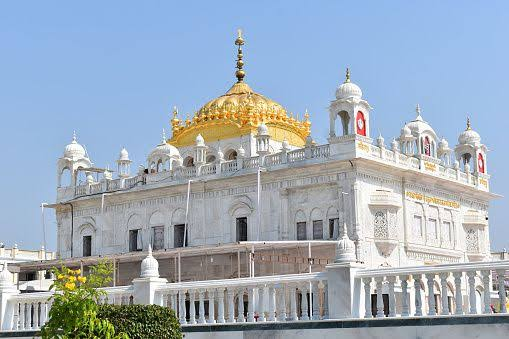
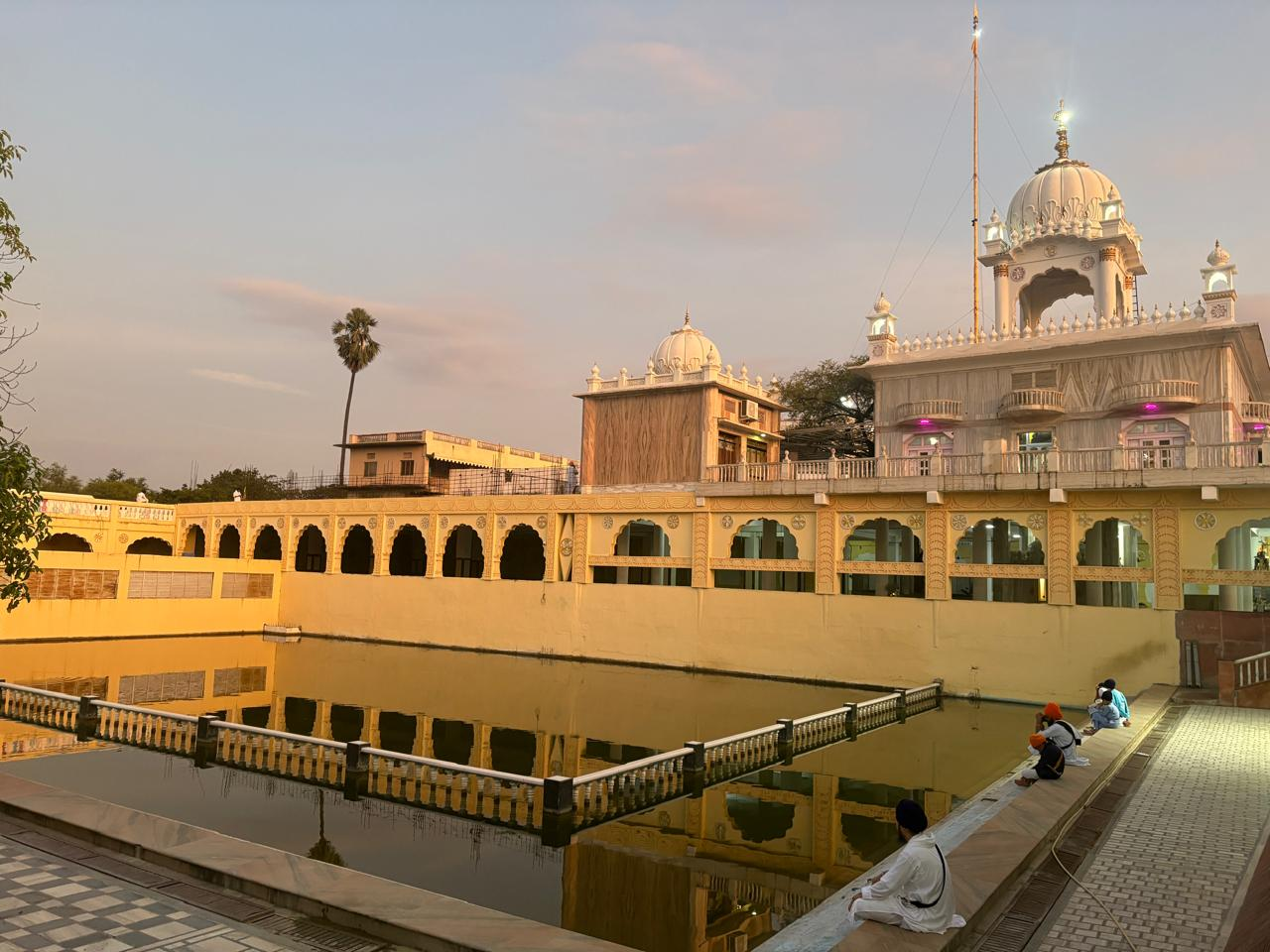
Foundational Contributions of the Eighth Master: 1. Egoless Compassion & Seva — personally nursed thousands of smallpox and cholera victims during Delhi's epidemic 2. Sri Gurdwara Bangla Sahib & Holy Sarovar — blessed the holy waters that heal physical and spiritual ailments 3. Enlightenment at Panjokhara — demonstrated that divine wisdom transcends age, literacy, and caste through Chhajju Ram 4. Bala Pir — venerated across religious lines for universal humanitarian service 5. Eternal Succession — guided the Panth to Sri Guru Tegh Bahadur Ji with "Baba Bakale" 6. Enshrinement in Daily Ardas — eternal dispeller of all human afflictions Historic Gurdwaras: Gurdwara Panjokhara Sahib (Ambala), Gurdwara Bangla Sahib (New Delhi), Gurdwara Bala Sahib (New Delhi).